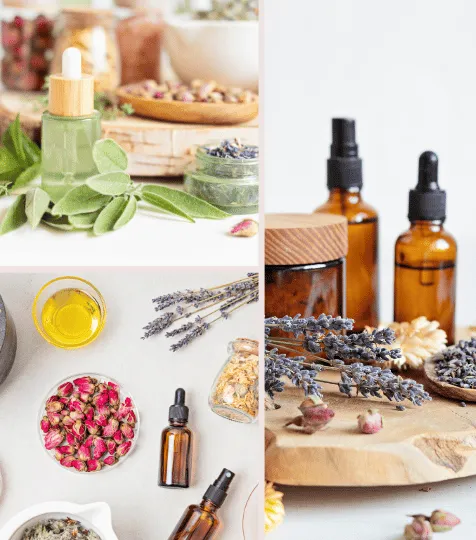
In the world of aromatherapy and natural wellness, two popular products often come up: hydrosols and essential oils. While they both originate from plants and share some similarities, they are quite different in terms of composition, production, and usage. Understanding these differences can help you make informed choices about which product to use for your specific needs.
What Are Essential Oils?
Essential oils are highly concentrated extracts from plants, capturing the plant's aromatic compounds and volatile oils. These potent substances are obtained through methods such as steam distillation, cold pressing, or solvent extraction. Essential oils are known for their strong scents and therapeutic properties, which can be used in various ways, including:
- Aromatherapy: Diffusing essential oils can promote relaxation, improve mood, and support overall well-being.
- Topical Application: When diluted with a carrier oil, essential oils can be applied to the skin for targeted benefits, such as relieving muscle pain or improving skin conditions.
- Inhalation: Inhaling essential oils directly from the bottle or from a few drops on a tissue can provide quick relief from congestion or boost energy levels.
Because of their high concentration, essential oils should be used with caution. They can be irritating or even toxic if used improperly, so it's crucial to follow guidelines for dilution and application.
What Are Hydrosols?
Hydrosols, also known as floral waters or herbal distillates, are the byproduct of the steam distillation process used to produce essential oils. During distillation, plant material is steamed, and the steam carries the essential oils and water-soluble compounds through a condenser, separating into two distinct products: essential oils and hydrosols.
Unlike essential oils, hydrosols are much less concentrated and contain a small amount of essential oil along with the plant's water-soluble compounds. Hydrosols are gentler and safer for a variety of uses, including:
- Facial Toners: Hydrosols can be sprayed directly onto the skin to hydrate and refresh without the need for dilution.
- Body Mists: They provide a light and pleasant scent, making them ideal for use as a body spray.
- Ingredient in Skincare: Hydrosols can be incorporated into lotions, creams, and other skincare products for added therapeutic benefits.
- Household Uses: They can be used as a natural air freshener, linen spray, or surface cleaner.
Key Differences
| Feature | Essential Oils | Hydrosols |
|---|---|---|
| Concentration | Highly concentrated and potent | Mild and less concentrated |
| Composition | Contain volatile oils and aromatic compounds | Contain water-soluble compounds and a small amount of essential oil |
| Production | Primary product of steam distillation, cold pressing, or solvent extraction | Byproduct of the steam distillation process |
| Safety | Require dilution and careful handling due to potency | Safe to use directly on the skin; suitable for children and sensitive individuals |
| Shelf Life | Can last several years if stored properly | Generally shorter — typically one to two years |
Choosing Between Hydrosols and Essential Oils
When deciding whether to use a hydrosol or an essential oil, consider the following factors:
- Purpose: For strong therapeutic effects, essential oils are often preferred. For gentler applications, such as skincare or mild aromatherapy, hydrosols are ideal.
- Sensitivity: If you have sensitive skin or are using the product on children or pets, hydrosols are the safer option.
- Convenience: Hydrosols are ready to use without dilution, making them convenient for quick applications.
Conclusion
Both hydrosols and essential oils offer unique benefits and can be valuable additions to your wellness routine. Understanding their differences helps you choose the right product for your needs, ensuring safe and effective use.
Want to learn more about natural ingredients and how to use them in your own products? Explore our hands-on workshops in Amsterdam where you'll work with essential oils, hydrosols, and other natural ingredients firsthand.